SPARKS Lab
Scientific Prediction through AI Research, Knowledge & Simulation
Department of Computer Science · Texas State University · San Marcos, TX
About SPARKS
The SPARKS Lab (Scientific Prediction through AI Research, Knowledge & Simulation) develops next-generation AI methods that are grounded in scientific principles. We build machine learning algorithms that don’t just fit data — they respect the laws of physics, scale to real-world complexity, and provide interpretable insights for scientific discovery.
Our work spans physics-informed neural networks, neural operators, generative AI for science, and hybrid modeling — with applications ranging from climate modeling and turbulence to nanoscale heat conduction and metamaterial design.
Research Areas
Scientific Machine Learning
Physics-Informed Neural Networks (PINNs), DeepONets, and deep neural operators for solving complex PDEs and multiphysics problems.
Climate & Earth System Modeling
Neural operator-based bias corrections, nudging strategies for E3SM, and hybrid approaches for weather and climate prediction.
Turbulence & Fluid Dynamics
Generative models and diffusion-based neural operators for super-resolution, forecasting, and sparse reconstruction of turbulent flows.
Nanoscale Heat Conduction
Neural network methods for ultrashort-pulsed laser heating, parabolic two-temperature models, and multi-layer thin film thermal analysis.
Neural Operators & Spectral Methods
Mitigating spectral bias, high-frequency scaling, multi-fidelity operator learning for physical systems.
Engineering & Inverse Design
MOSFET heat sink optimization, PIER routing, mechanical metamaterial characterization, and inverse design via neural operators.
Team

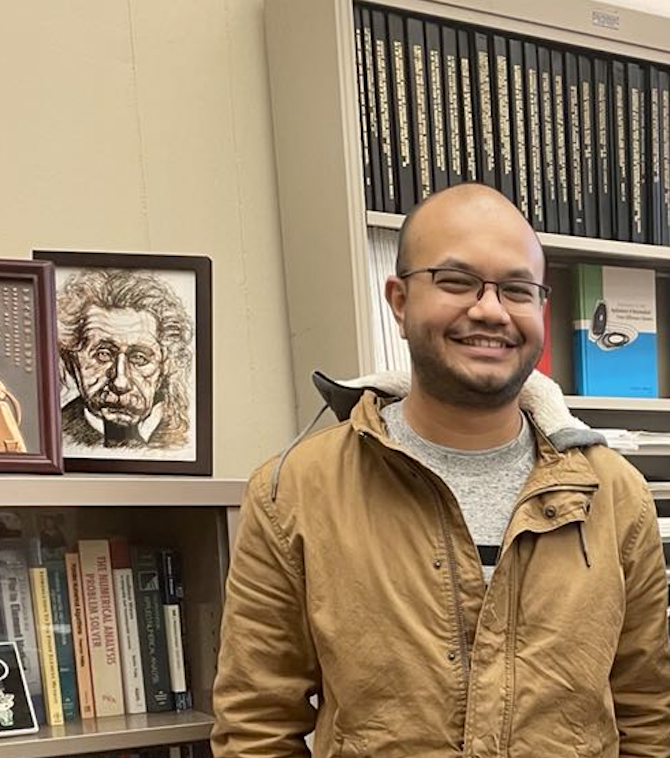
Dr. Aniruddha Bora
Ph.D., Louisiana Tech University
Postdoc, Brown University
aniruddha_bora@txstate.edu
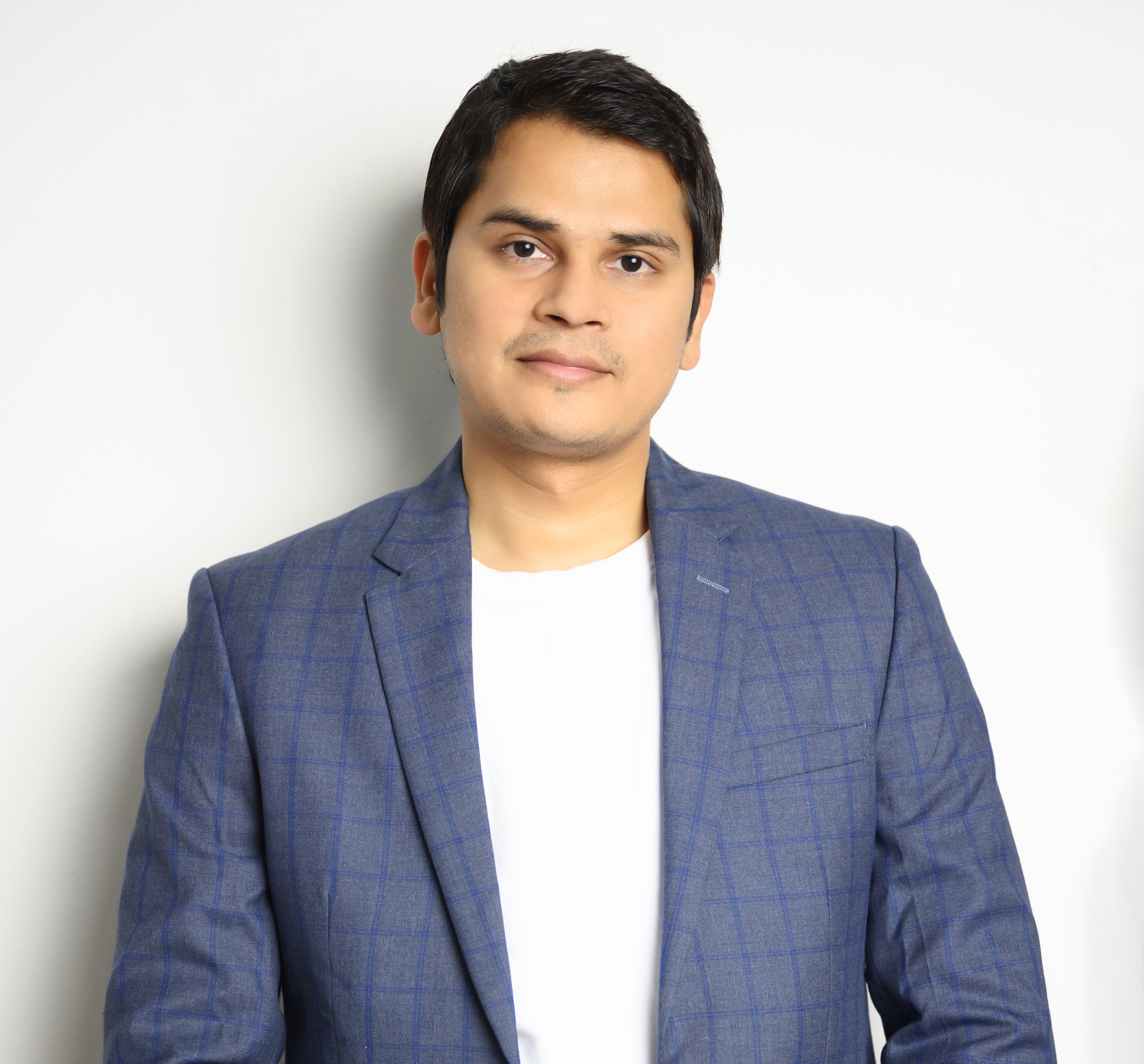
Rajnish Kumar
Texas State University
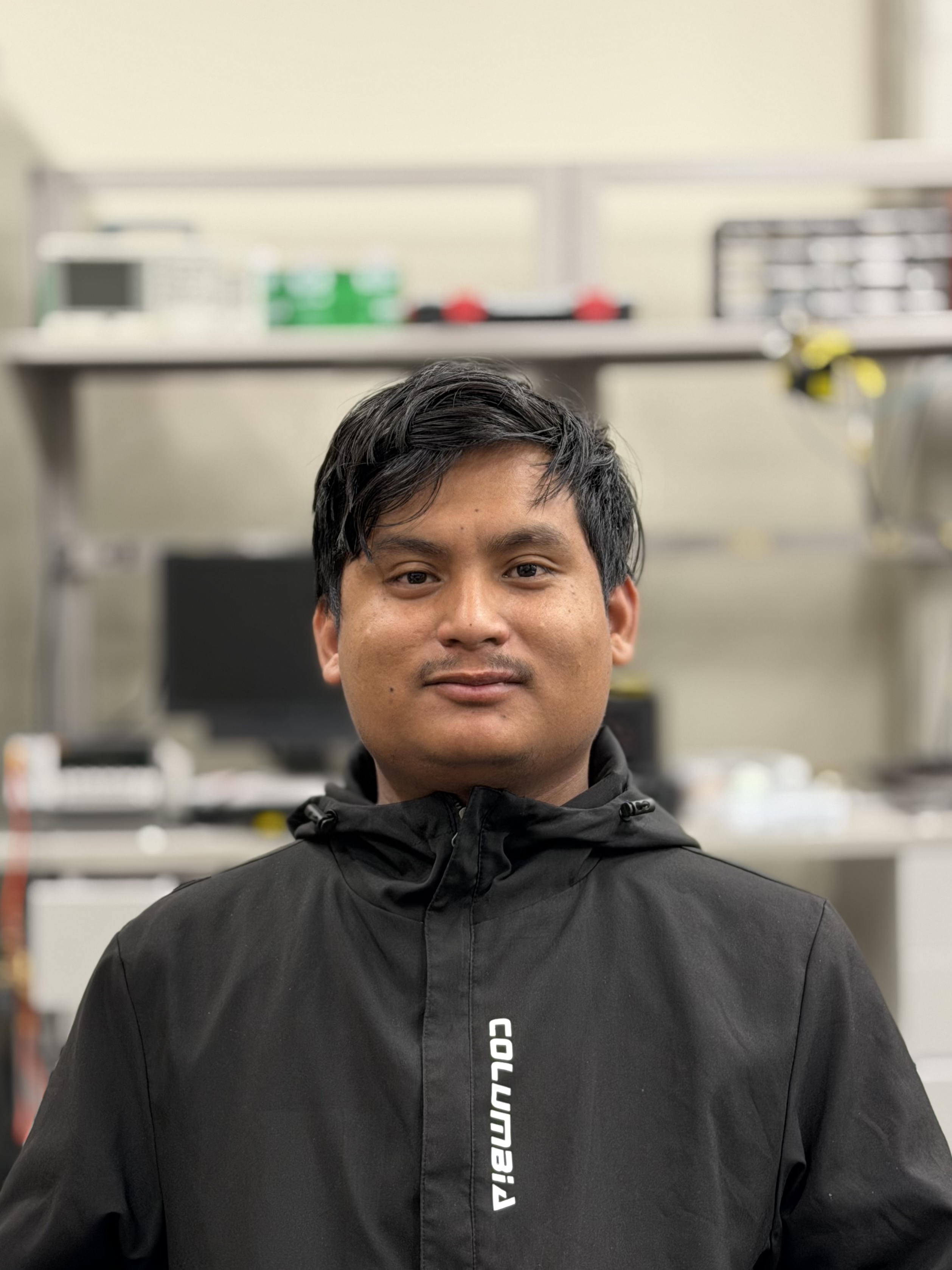
Pawan Pradhan
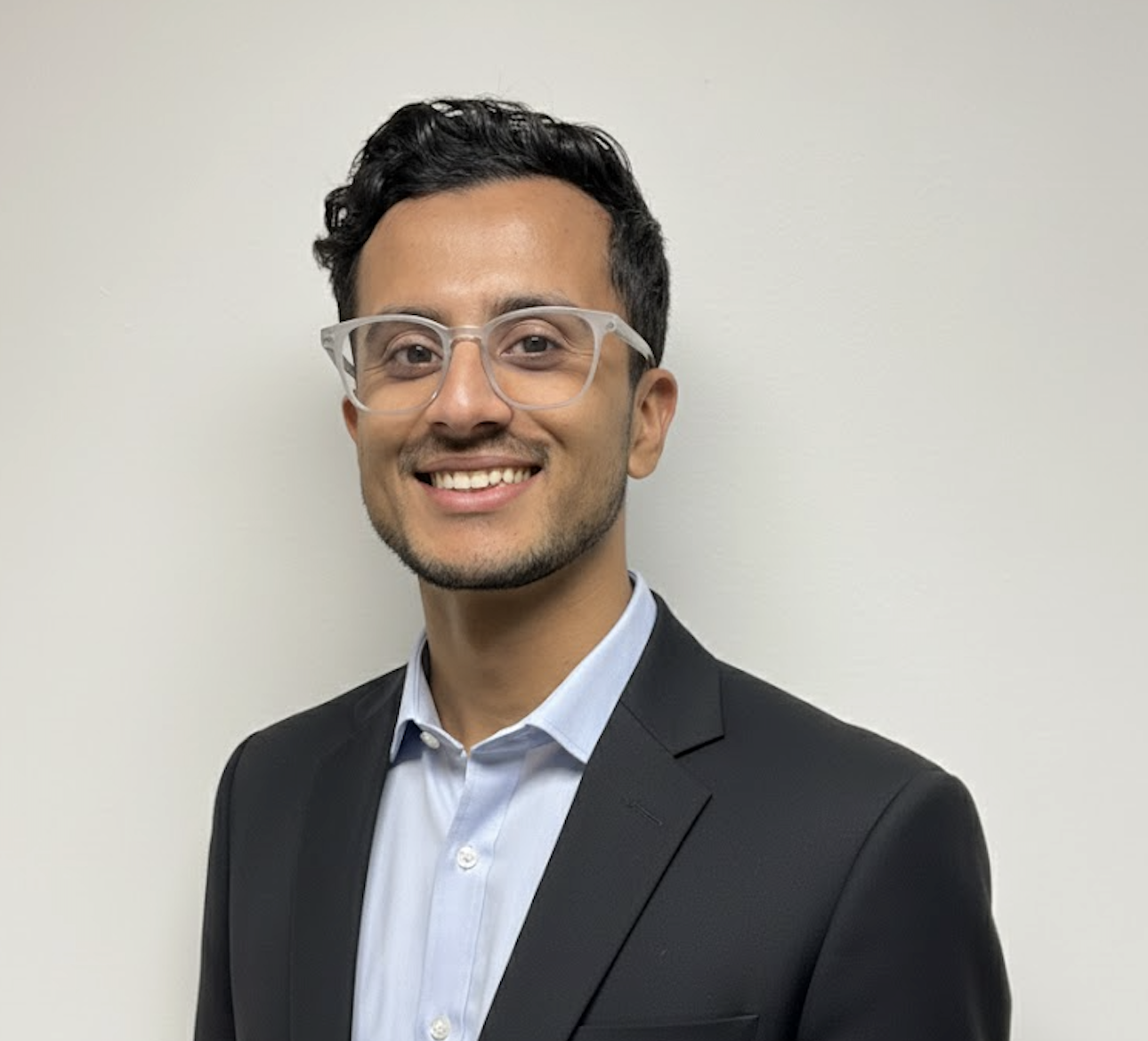
Arjun Gyawali
Selected Publications
Grants & Funding
- PIER: Physics-Informed, Energy-efficient, Risk-aware Routing — Texas State University, $12,000 (2026–Present)
- ALCF Director’s Discretionary Allocation — Physics-Informed Generative AI (Argonne)
- ALCF Director’s Discretionary Allocation — Extreme Weather via Neural Operator Approximation (Argonne)
- MURI Program (ONR) — ML Methods for Phase Change Heat Transfer Modeling and Design (Brown, contributor)
HPC Resources
The SPARKS Lab has access to world-class computing infrastructure:
- ALCF Polaris — HPE Cray EX (AMD EPYC + NVIDIA A100)
- ALCF Aurora — HPE Cray EX (Intel Sapphire Rapids + Intel Data Center GPU Max)
- OSCAR — Brown University HPC Cluster
🔥 Join the SPARKS Lab!
I am recruiting one funded Ph.D. student for Fall 2026 and welcome motivated Master's and undergraduate researchers.
Looking for students with backgrounds in CS, Applied Math, Physics, or Engineering interested in:
Machine learning for physical systems · Scientific & interpretable AI · Computational modeling using AI
📧 Apply Now — aniruddha_bora@txstate.eduContact
Dr. Aniruddha Bora
Department of Computer Science
310D COMAL, Texas State University
San Marcos, TX 78666
📧 aniruddha_bora@txstate.edu
🌐 aniruddhabora.github.io
🔗 LinkedIn
📚 Google Scholar