SPARKS Lab

Texas State University · Computer Science

Scientific Prediction through AI Research, Knowledge & Simulation

Developing physics-grounded artificial intelligence and scientific machine learning methods for prediction, discovery, optimization, and engineering design.

Department of Computer Science · Texas State University · San Marcos, Texas
About the Lab

AI grounded in scientific principles

The SPARKS Lab (Scientific Prediction through AI Research, Knowledge & Simulation) develops next-generation AI methods for scientific and engineering systems. Our goal is to build machine learning models that do more than fit data: they incorporate physical structure, scale to complex systems, and provide useful representations for scientific discovery and decision-making.

Our research spans physics-informed learning, neural operators, generative AI for science, and hybrid physics–ML modeling, with applications in climate and Earth systems, turbulence, nanoscale heat transport, inverse design, and engineering optimization.

Research

Research areas

We develop computational methods at the intersection of machine learning, applied mathematics, physics, and high-performance scientific computing.

01

Scientific Machine Learning

Physics-Informed Neural Networks (PINNs), DeepONets, and neural operators for solving PDEs, inverse problems, and multiphysics systems.
02

Climate & Earth System Modeling

Neural-operator bias correction, nudging strategies for E3SM, and hybrid AI–physics approaches for weather and climate prediction.

03

Turbulence & Fluid Dynamics

Generative and diffusion-based operator models for forecasting, super-resolution, and sparse reconstruction of turbulent flow fields.

04

Nanoscale Heat Conduction

Learning-based methods for ultrashort-pulsed laser heating, two-temperature models, and thermal transport in multilayer thin-film systems.

05

Neural Operators & Spectral Learning

High-frequency representation, spectral-bias mitigation, multi-fidelity learning, and operator learning for complex physical systems.

06

Engineering & Inverse Design

Physics-informed optimization for thermal systems, risk-aware routing, mechanical metamaterials, and inverse design using neural operators.


People

SPARKS Lab team

Principal Investigator
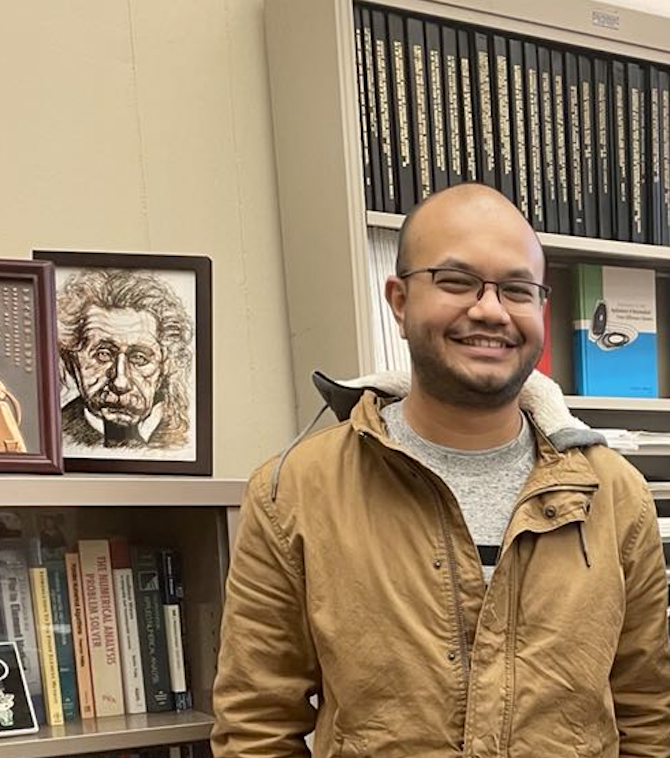
Dr. Aniruddha Bora

Dr. Aniruddha Bora

Assistant Professor of Computer Science
Texas State University
Ph.D., Louisiana Tech University
Former Postdoctoral Research Associate, Brown University
Graduate Students
Christopher M. Coovrey

Christopher M. Coovrey

Ph.D. Student
Department of Computer Science
Texas State University
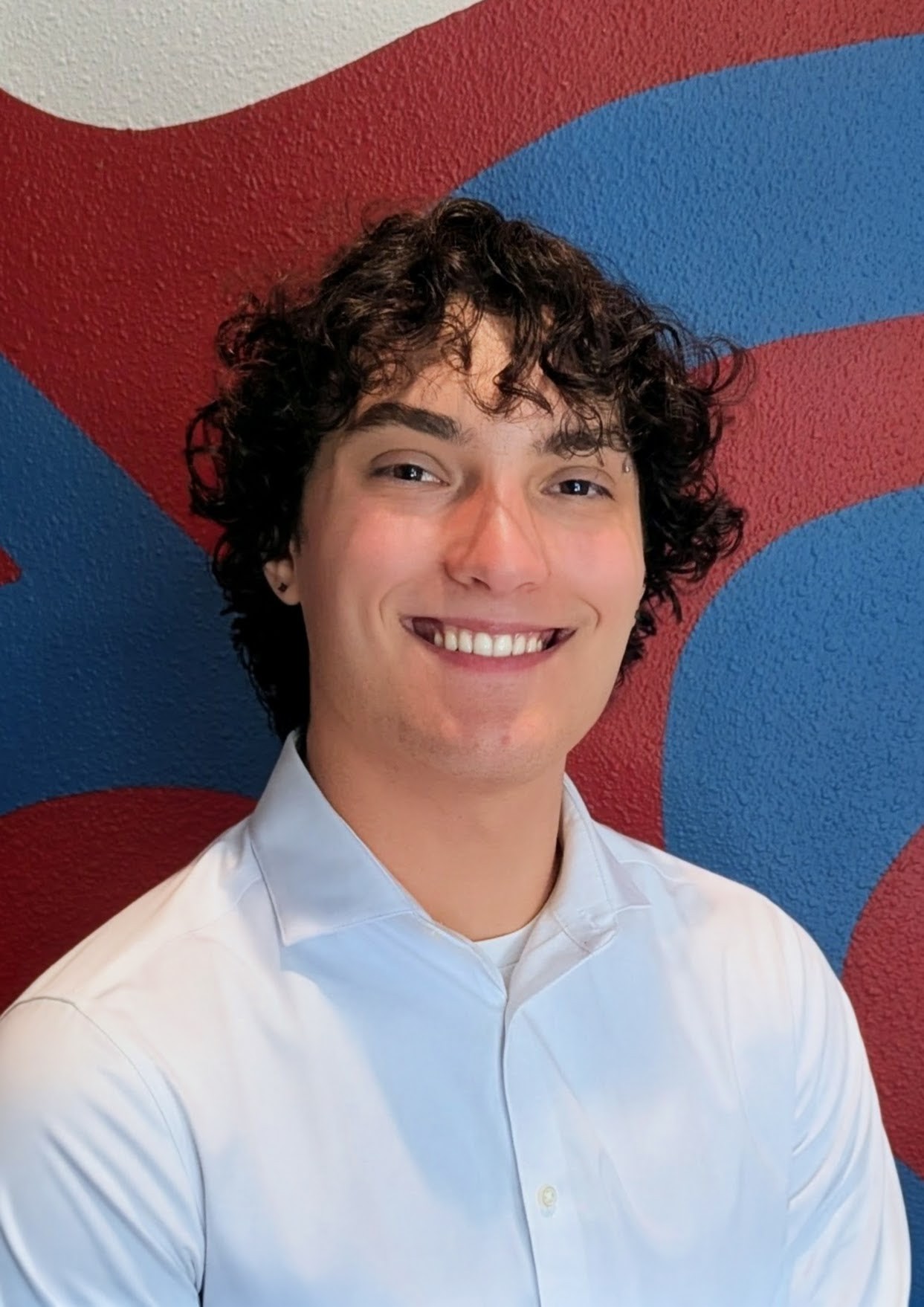
Collin Reisman

Collin Reisman

Ph.D. Student
Department of Computer Science
Texas State University
Keerthana Sunil

Keerthana Sunil

Ph.D. Student
Department of Computer Science
Texas State University
Undergraduate Researchers
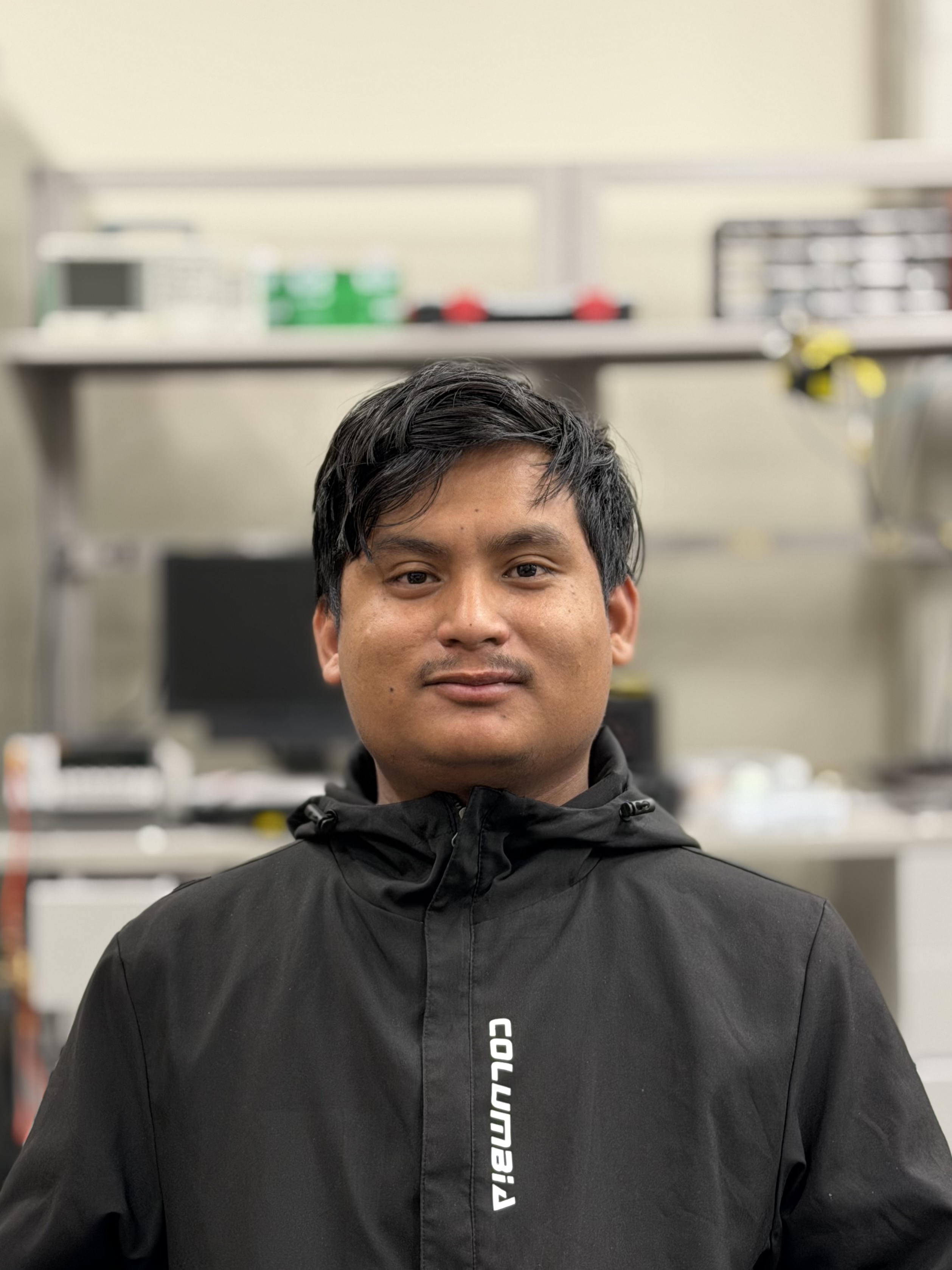
Pawan Pradhan

Pawan Pradhan

Undergraduate Researcher
Mechanical Engineering
Texas State University
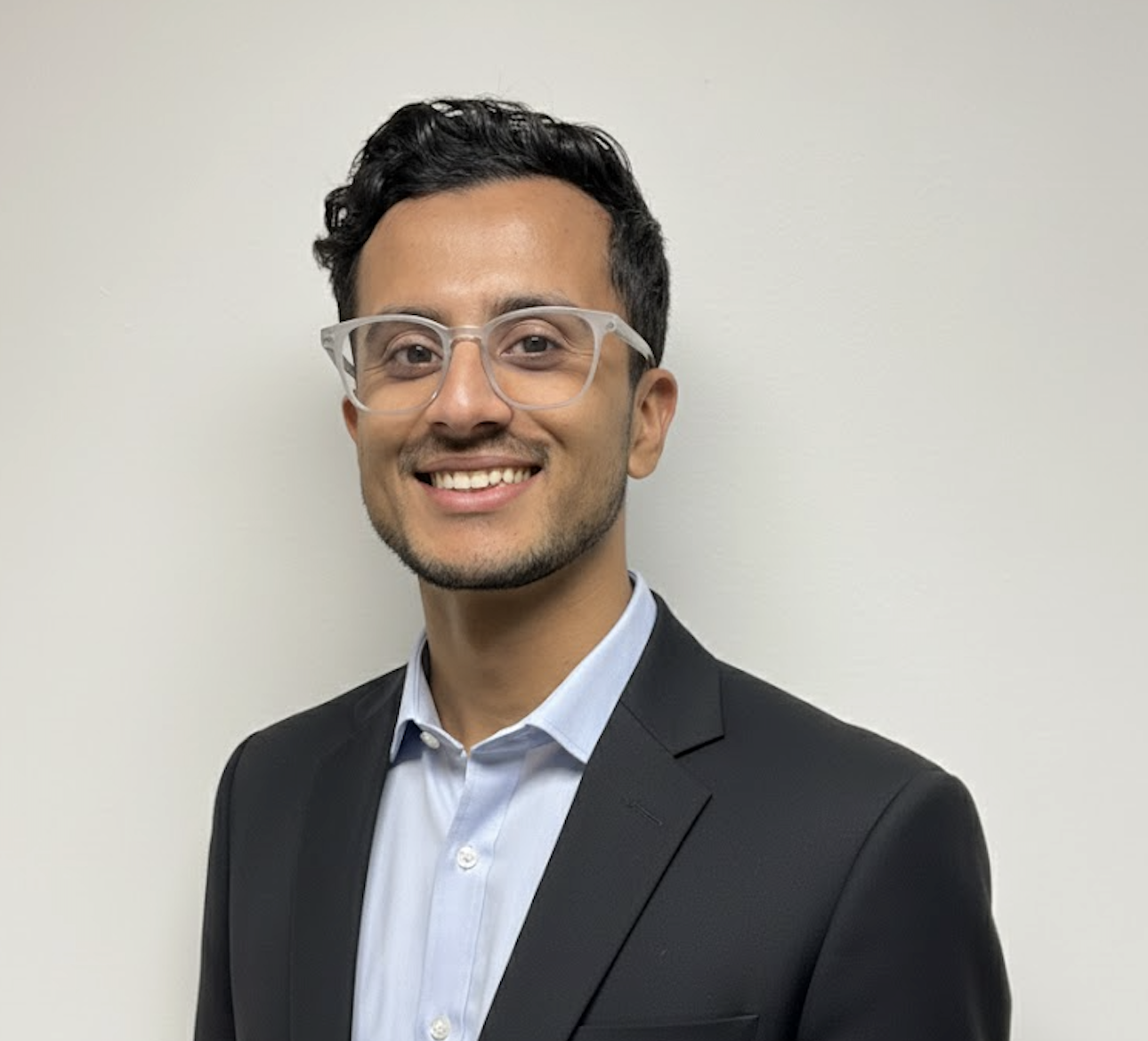
Arjun Gyawali

Arjun Gyawali

Undergraduate Researcher
Computer Science
Texas State University
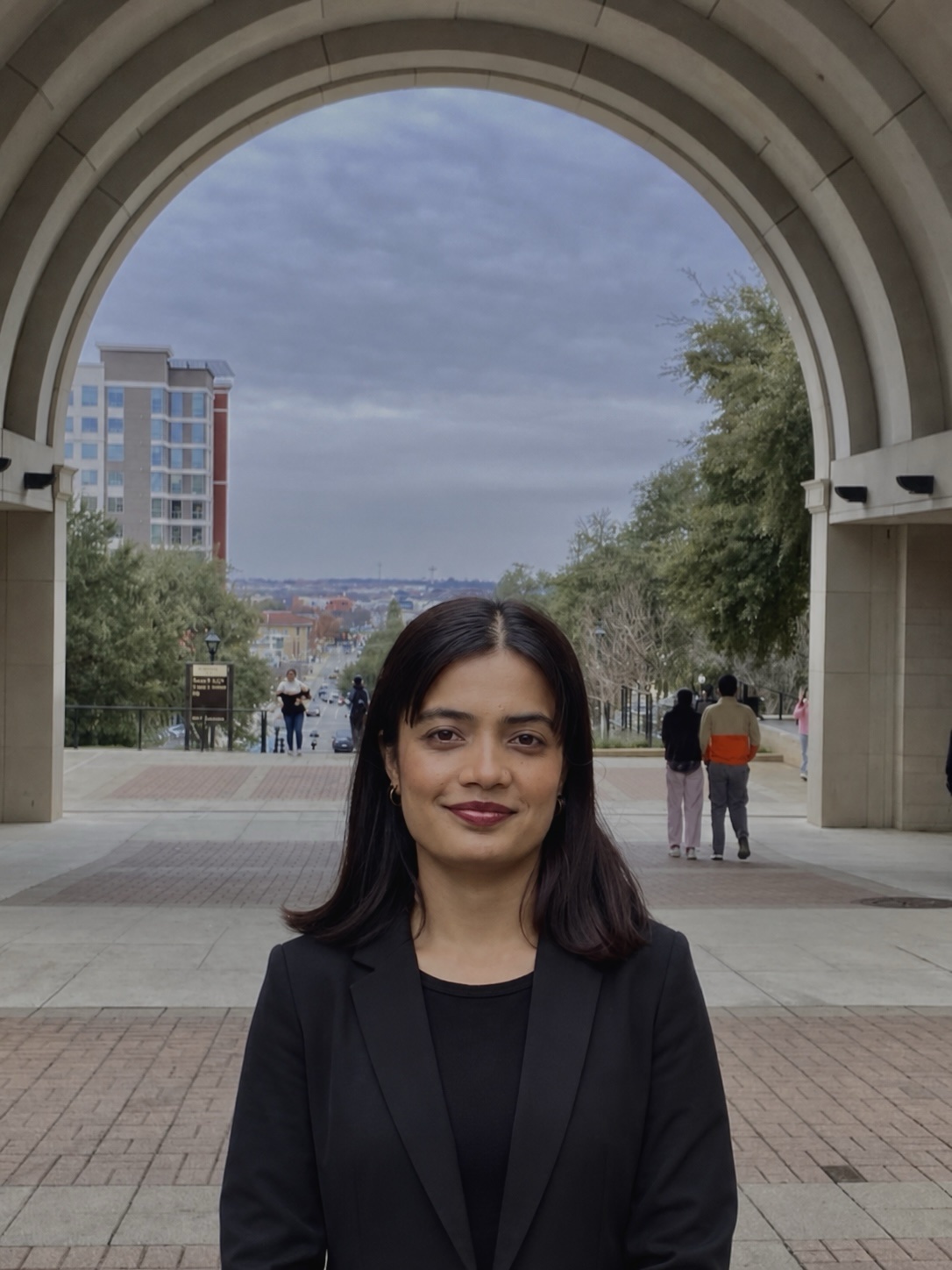
Prakriti Gautam

Prakriti Gautam

Undergraduate Researcher
Computer Science
Texas State University
Alumni & Past Mentees
Sotos Lois — Imperial College London, 2022–2023 · Mathematical finance using PINNs and operator learning
Scholarship

Selected publications

2025
Integrating Neural Operators with Diffusion Models Improves Spectral Representation in Turbulence Modeling
V. Oommen, A. Bora, Z. Zhang, G.E. Karniadakis
Proceedings of the Royal Society A
2025
Characterization and Inverse Design of Stochastic Mechanical Metamaterials Using Neural Operators
H. Jin, B. Zhang, Q. Cao, E. Zhang, A. Bora, et al.
Advanced Materials
2025
XAI4Extremes: An interpretable ML framework for understanding extreme-weather precursors
J. Wei, A. Bora, V. Oommen, et al.
ICLR 2025 Workshop
2023
Learning bias corrections for climate models using deep neural operators
A. Bora, K. Shukla, S. Zhang, R. Leung, G.E. Karniadakis
AAAI 2023
2022
Neural network method for solving nonlocal two-temperature nanoscale heat conduction in gold films
A. Bora, W. Dai, J.P. Wilson, J.C. Boyt, S.L. Sobolev
International Journal of Heat and Mass Transfer
View all publications →
Support & Infrastructure

Funding and computing resources

PIER: Physics-Informed, Energy-efficient, Risk-aware Routing

Texas State University research support for physics-informed and data-driven methods for intelligent routing and decision-making.

$12,000 · 2026–Present

ALCF Director's Discretionary Allocation

High-performance computing allocations supporting physics-informed generative AI and extreme-weather modeling with neural operator methods.

Argonne Leadership Computing Facility

MURI Program (ONR)

Machine-learning methods for phase-change heat-transfer modeling and design, with contributions developed during work at Brown University.

Research Contributor

Leadership-Class Computing

SPARKS research uses ALCF Polaris and Aurora, along with Brown University's OSCAR cluster, for large-scale scientific machine learning experiments.

Polaris · Aurora · OSCAR
Opportunities

Join the SPARKS Lab

We welcome motivated graduate and undergraduate researchers interested in developing rigorous machine-learning methods for scientific and engineering systems. Students with backgrounds in computer science, applied mathematics, physics, and engineering are encouraged to get in touch.

Scientific Machine Learning Physics-Informed AI Neural Operators Generative AI for Science Computational Modeling
Contact Dr. Bora
Contact

Get in touch

Dr. Aniruddha Bora
Department of Computer Science
310D COMAL, Texas State University
San Marcos, TX 78666